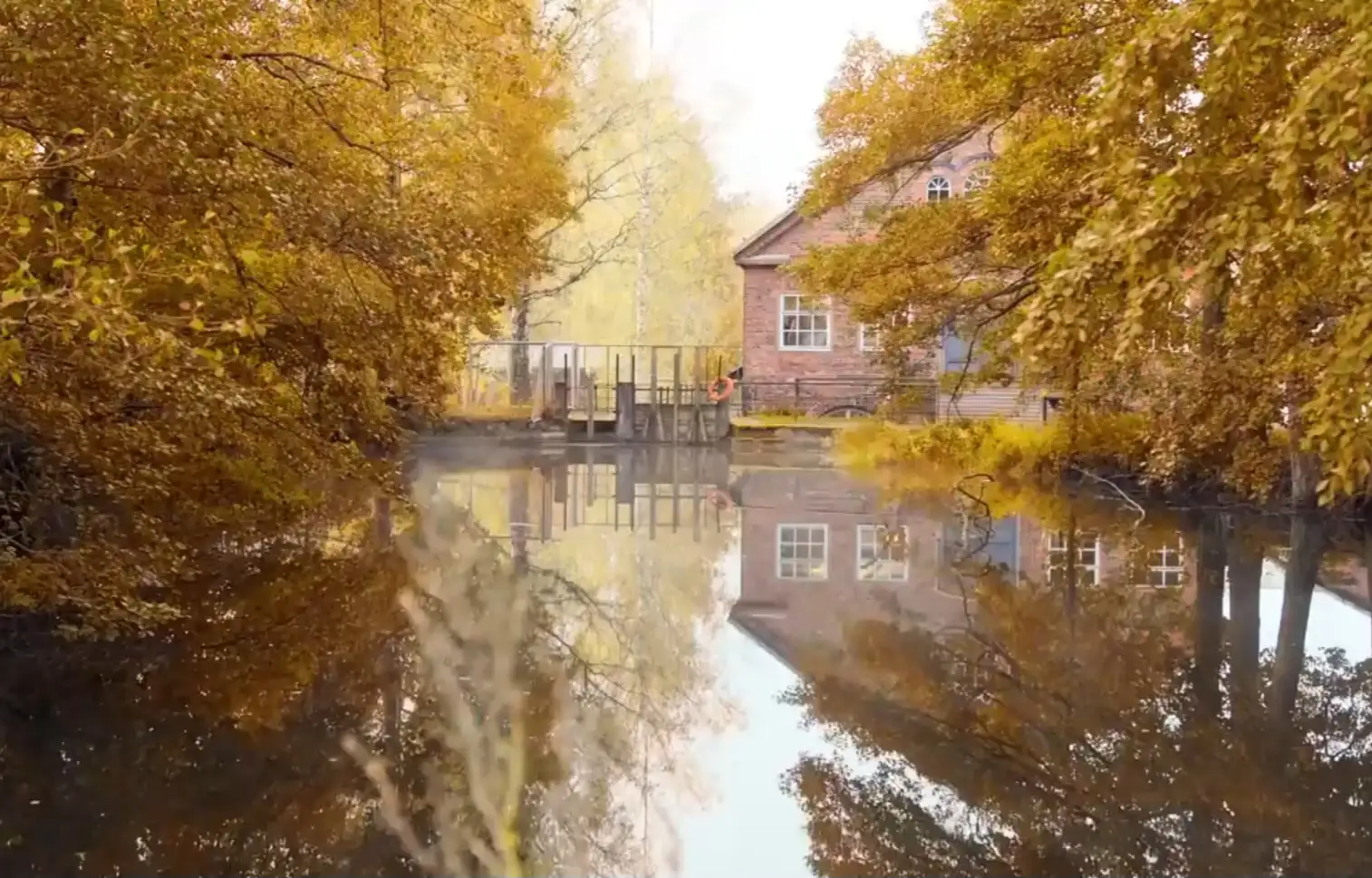
Nikari – Was the Name a Premonition?
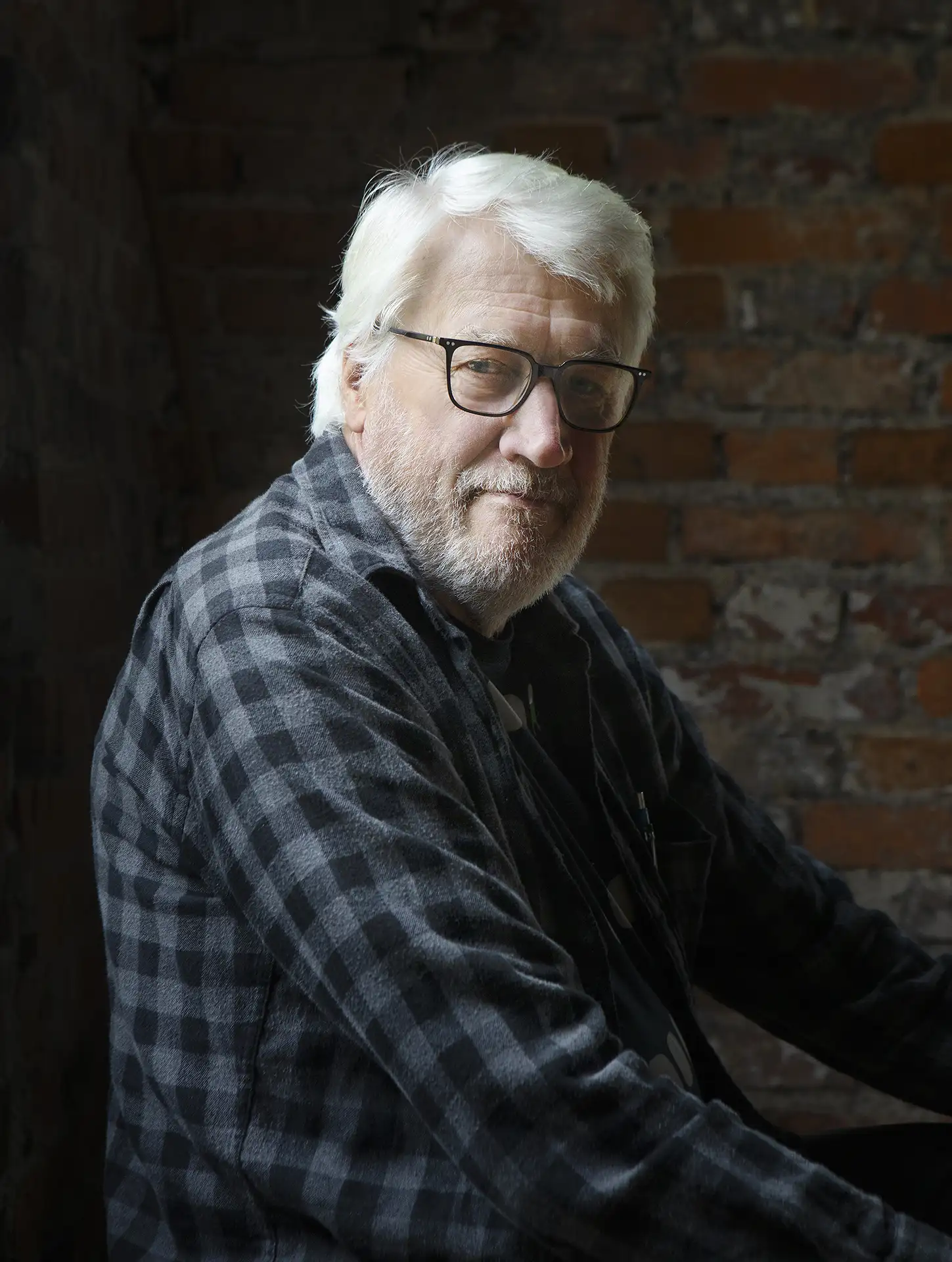
Back in the 1970s, Nikari’s founder Kari Virtanen could not have imagined everything the name Nikari would come to represent.
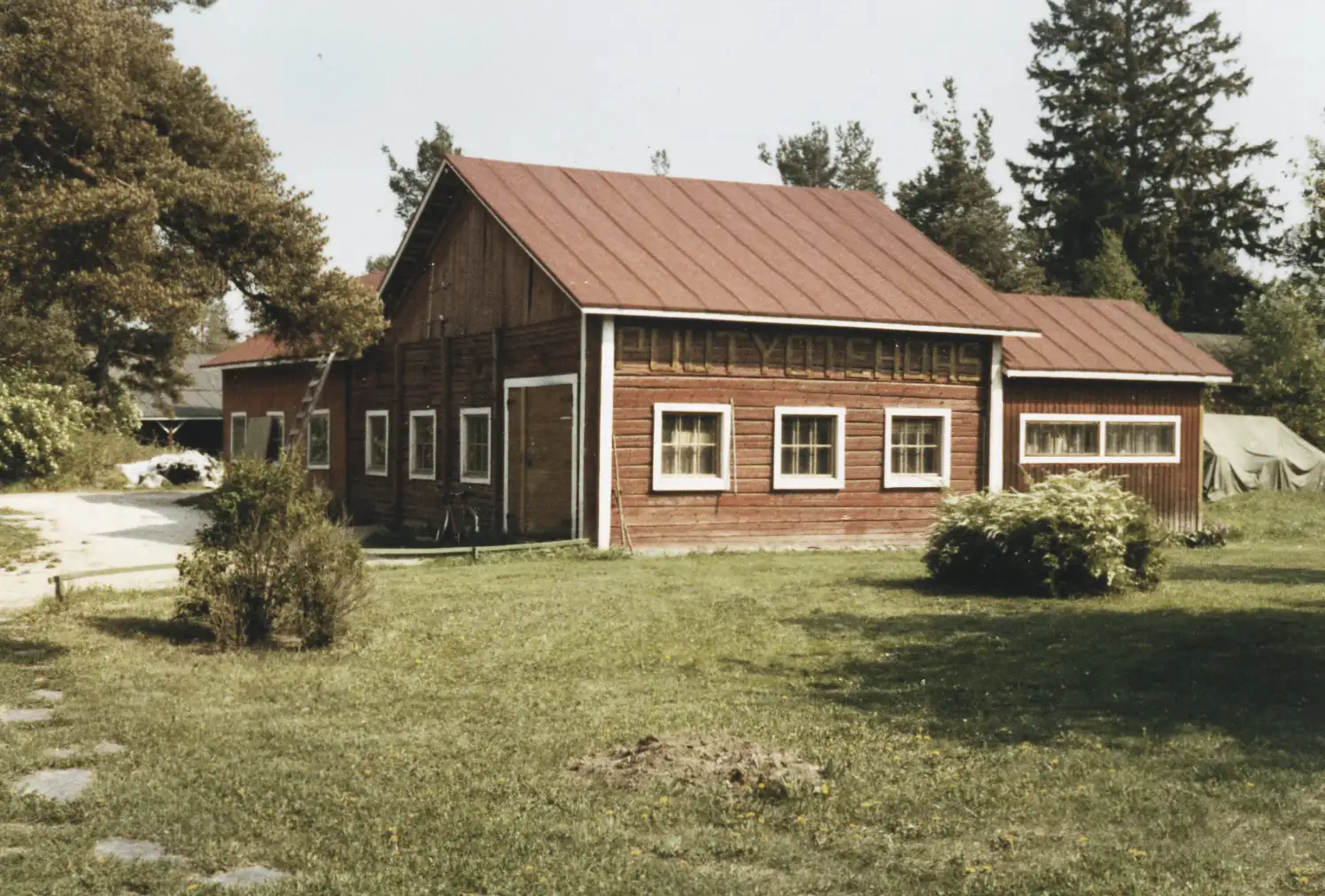
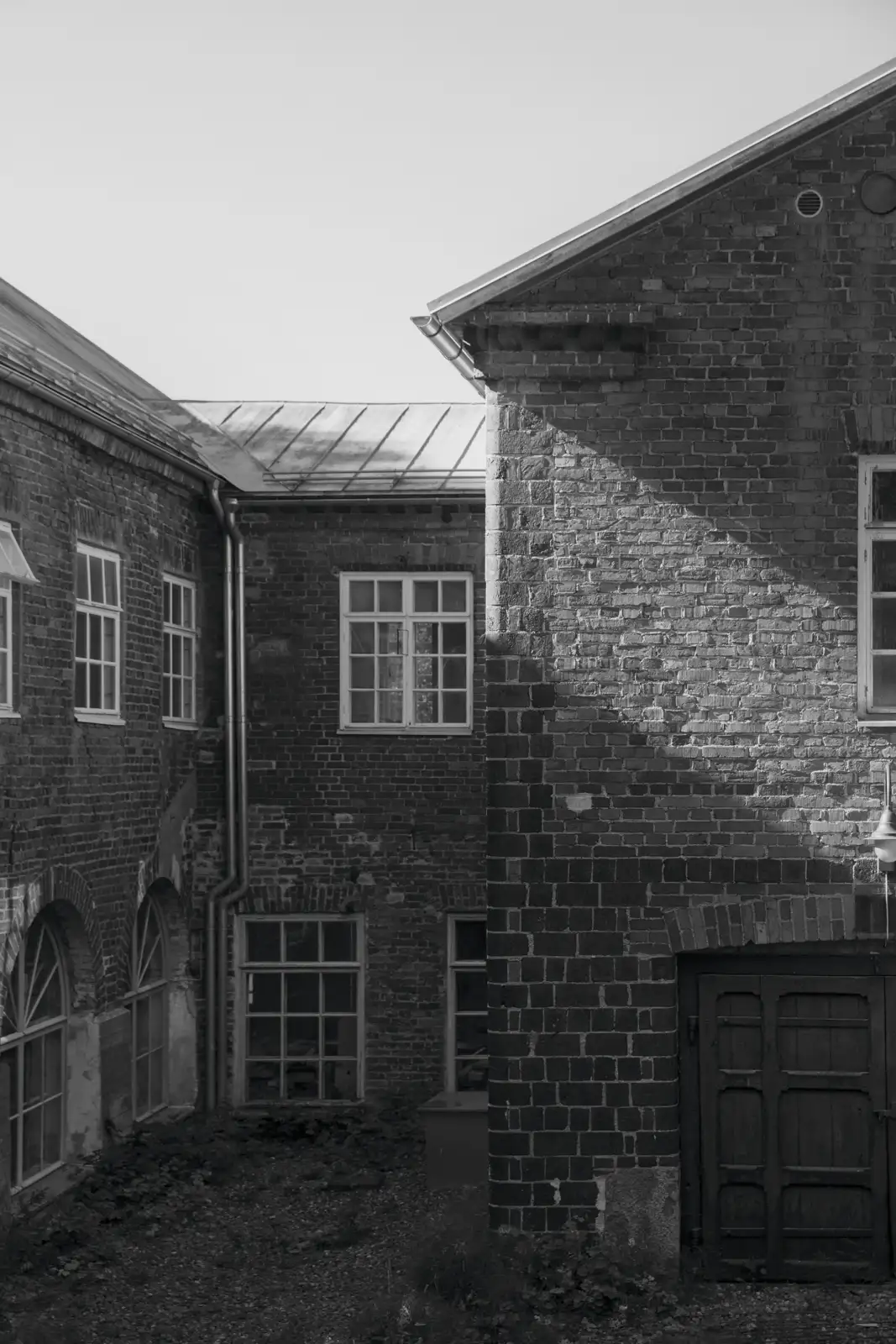
The year was 1966, and Kari Virtanen was still working at Asko Oy, but he was already dreaming of his own workshop and collection. During a visit to his hometown of Seinäjoki, he happened to notice that a traditional old workshop space had become available. The building bore the name Nikkarinkoski Oy and was located right in the center of Seinäjoki, just a few hundred meters from the Aalto Center. Over the decades, furniture as well as rulers and set squares for schools had been produced there, preserving a strong tradition of craftsmanship and woodworking. Virtanen immediately felt the space would be perfect for his workshop.
The Craft Tradition of Ostrobothnia Lives in the Name
Virtanen began operating under his own name, Kari Virtanen. Work was plentiful from the start. Alongside commissioned pieces, he designed his own models and began considering whether they should have a distinct product name.
“I’ve always liked coming up with names,” Virtanen recalls. “I used to write them down in notebooks.”
He approached the naming process from several angles. First, there was the original name of the place, Nikkarinkoski, but he was unable to acquire the rights to use it – and in any case, he felt it might have been too grand.
He then started playing with the Finnish word nikkari (craftsman).
“It’s typical in Ostrobothnia. People don’t talk about carpenters but nikkari and nikkarointi, which come directly from the Swedish words snicka and snickare.”
Virtanen spoke some Swedish – he says you had to, especially if you wanted to play football, since opposing teams might come from places like Närpes or Nykarleby and speak only coastal Swedish. The bilingual culture had always fascinated him, which made a loanword feel like a natural starting point.
“The word nikkari also contains my first name, Kari. I just dropped one ’k’ – and that was it.”
“I designed a wooden spice rack and didn’t want it to be anonymous, so I branded it with the name Nikari.” — Kari Virtanen
The First Use of the Name Nikari
Virtanen began using the name Nikari in the late 1970s, first in a product line he designed for Kotiteollisuus stores.
“I designed a wooden spice rack and didn’t want it to be anonymous,” he says. “So I branded it with the name Nikari.”
He continued using the same branding stamp until the early 1990s, and it can be found on many different products. Some he made alone; others he designed in collaboration with, for example, Kaj Franck, with whom he worked closely for about five years.
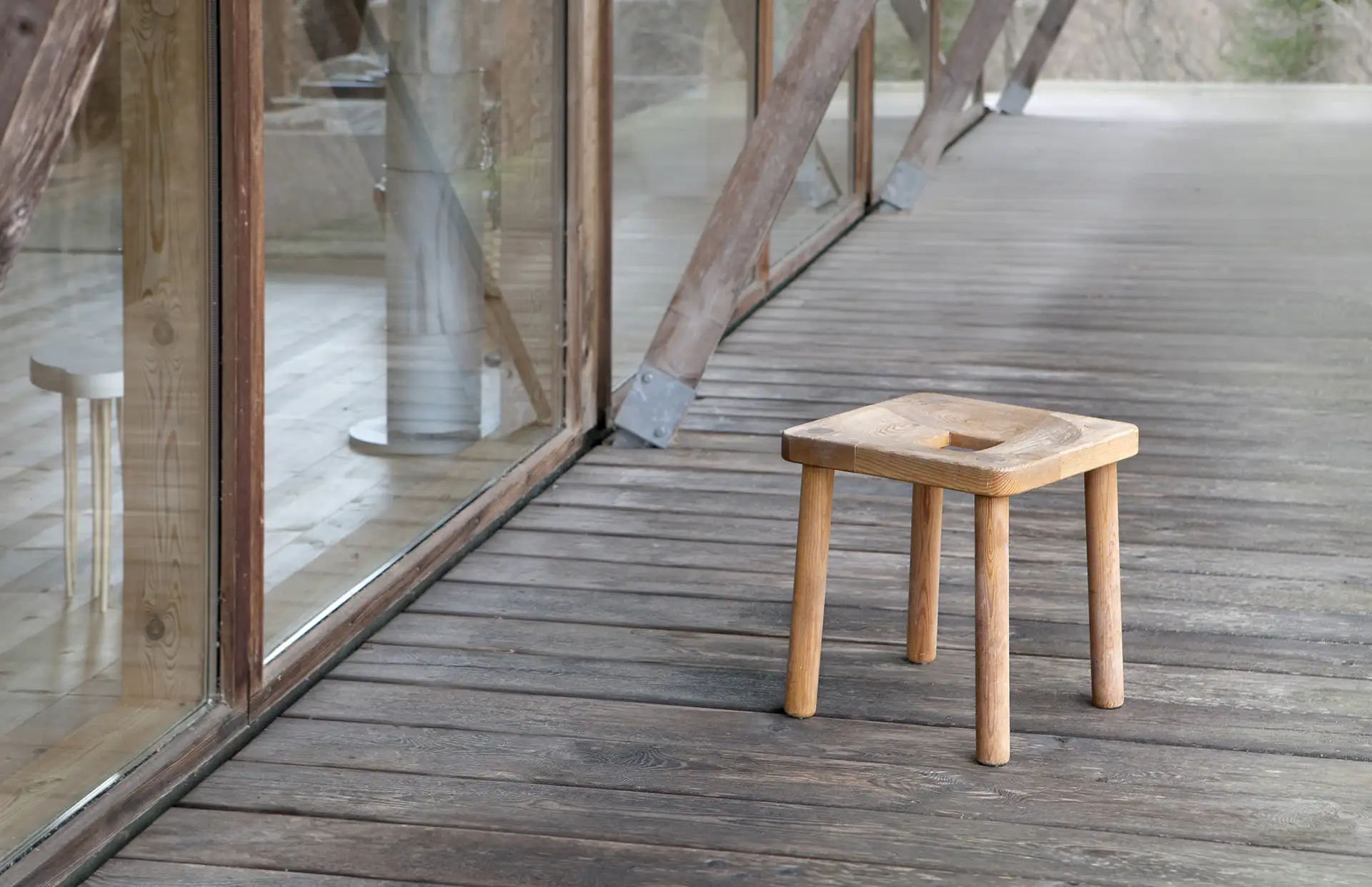
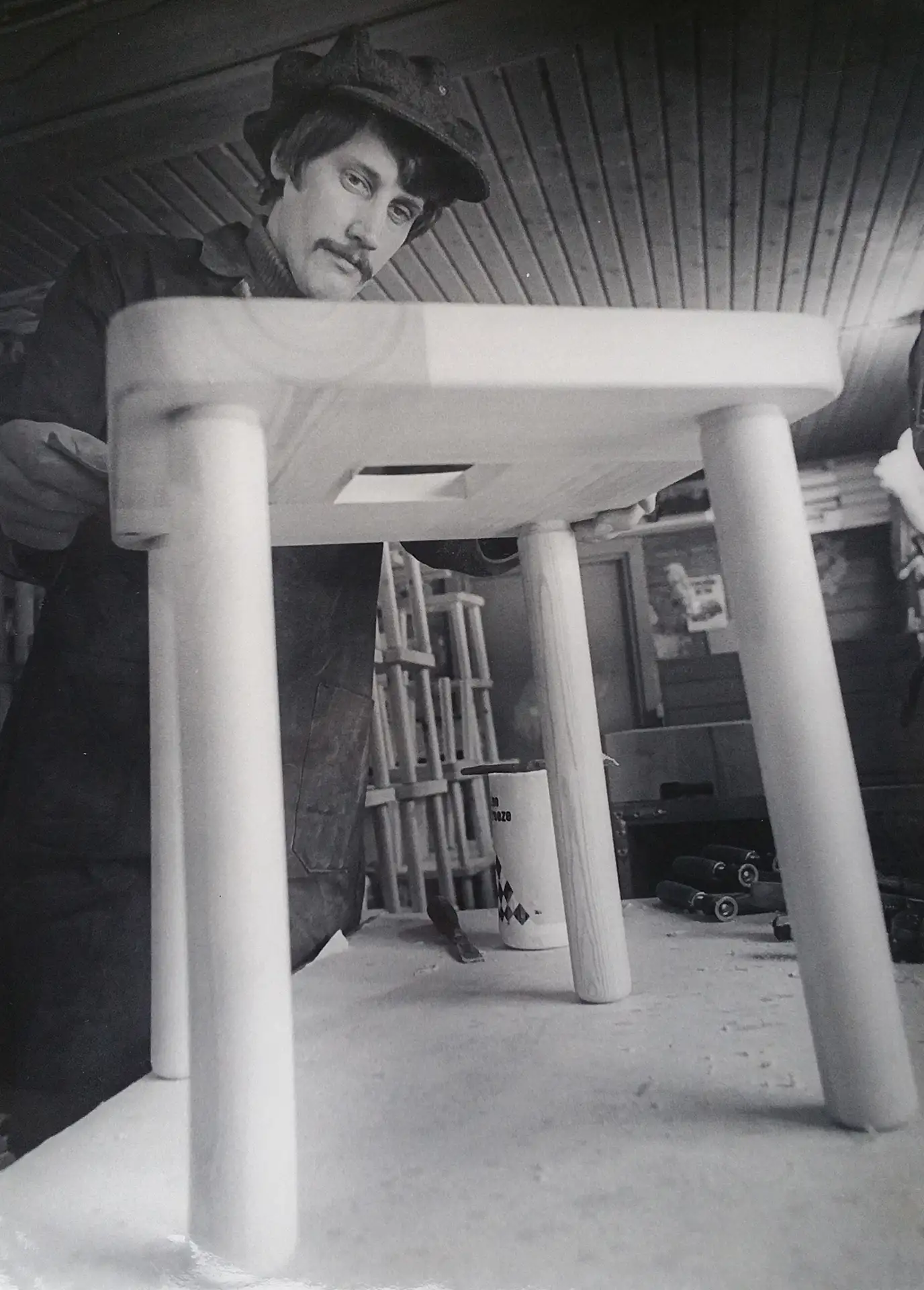
One of the very first Nikari products was also a pine stool that remains part of the collection to this day.
Alongside his own collection, Virtanen continued to do commissioned work and, from the very beginning of his company, collaborated with Alvar Aalto. He worked on interior elements for Aalto’s projects, such as the Lakeuden Risti Church. Nikari’s selection still includes the Alvar tray, which originated in the 1960s when Aalto sketched its shape freehand during a visit to Virtanen’s workshop.
“I sent a tray prototype based on the sketch to Alvar, and he said, ‘This is good – let’s go ahead.’ He often walked around with a pencil, sketching here and there, even against a tree.”
From Sole Proprietorship to Limited Company
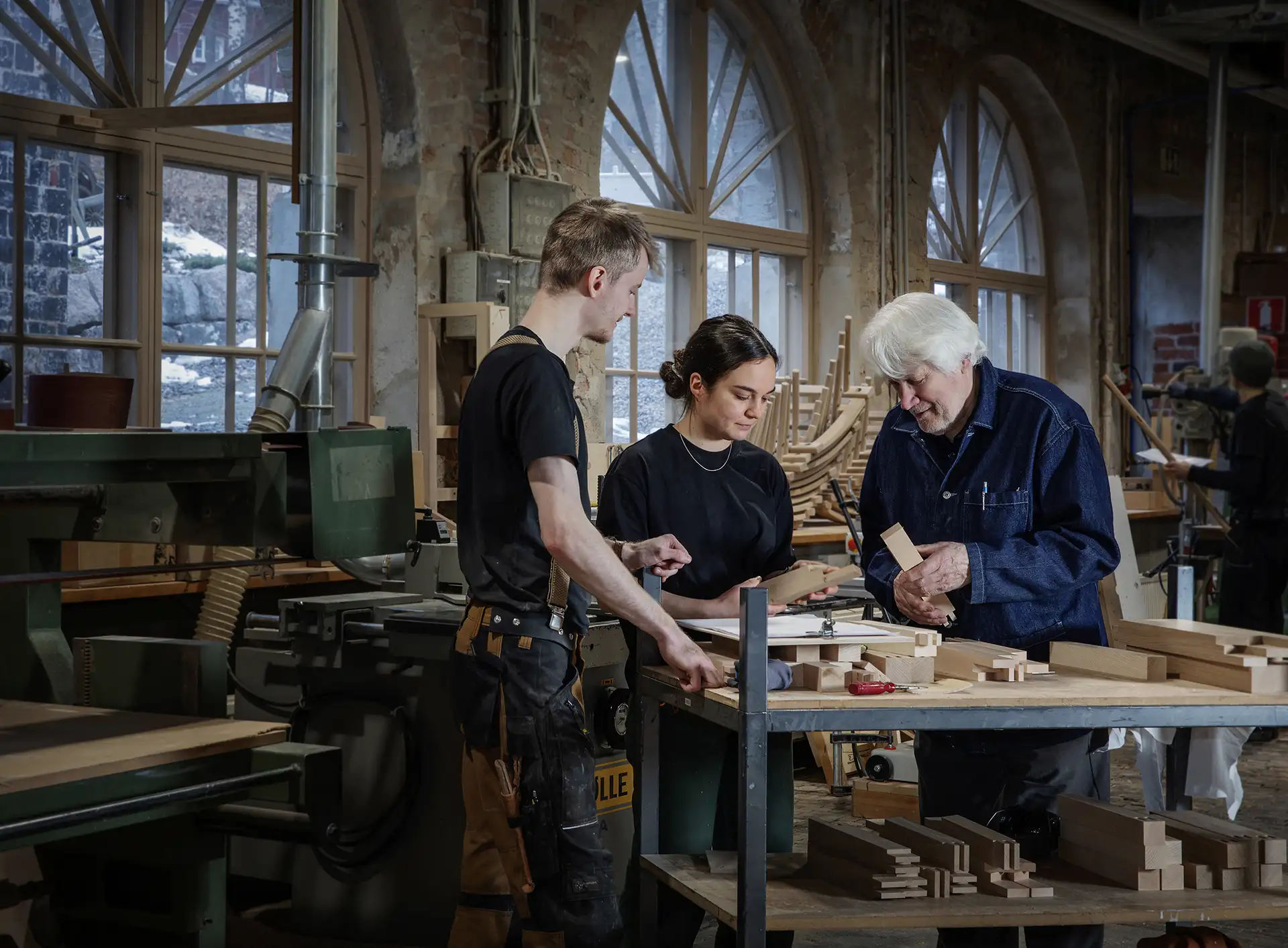
Virtanen moved to Fiskars in 1993, where he found a beautiful workshop space in a 19th-century machine shop and built his home by a lakeside peninsula. There, he also restored a 17th-century smoke sauna, around which he designed his house.
“My idea was to become a ‘craftsman for pleasure’ in Fiskars – not to employ others, but to work alone.”
Things turned out differently. One day, architect Vesa Honkonen visited the workshop with an American colleague, Steven Holl, who was at the time designing the Museum of Contemporary Art Kiasma. Walking around the workshop, Holl spotted a chair that caught his attention.
“He looked at it and asked, ‘Could you make this chair for Kiasma?’”
Virtanen modified the chair to be stackable and adjusted it according to Holl’s wishes. He sent a prototype to New York, where it was approved. To meet the deadline for the soon-to-open museum, the one-man workshop had to grow, employing additional craftsmen. At that point, Virtanen transformed Nikari into a limited company.
The same KVT1 chair that impressed Holl remains in Nikari’s collection today.
A Name That Connects Two Cultures
Today, Nikari is widely recognized internationally, associated with Nordic craftsmanship and uncompromising quality. Virtanen is pleased that after handing over the company to his successor in 2010, the name has been preserved and its appreciation has only grown.
“It’s been very well received around the world,” he says. “Although some Ostrobothnian jokers have occasionally teased that it might be a typo – nikkari is such an important word there.”
The word nikkari is important to Virtanen as well. He proudly sees himself as part of the continuum of Ostrobothnian craftsmanship. He is also deeply interested in Japanese woodworking traditions, which he has studied extensively. Japan has become meaningful to him through his Japanese spouse, and he has spent 27 years connected to the country.
Interestingly, the Japanese language can also be seen in the name Nikari – something Virtanen came up with long before Japan became part of his life. The beginning of the name, ni, means the number two in Japanese. Today, a company called Nikaksi, jointly run by Virtanen and his spouse, manages, among other things, the design rights to his products.
“The latter part of the name, kaksi, means the number two in Finnish. It’s a perfect name for a company where one of the partners is Japanese,” Virtanen says.
“The name contains ‘two’ twice.”